

What Animals Are In The Tropical Rainforest
An case of mutualism in the rainforest is the pollination of the Durian tree by bats. However, there are many other examples of mutualism in this type of ecosystem. Another example is pollinating wasps that eat from different fig species in the Southeast Asian rainforest. The interaction between monkeys that swallow fruit from plants or trees is another mutualistic human relationship.
Mutualism is a symbiotic relationship betwixt two species in which both species benefit from the interaction. In the instance of the monkeys and fruit plants in rainforests, the primates' human action of eating fruit from a institute aids in seed dispersal. In this relationship, the primates obtain food from plants or trees, and in turn, they help transport the seeds to other areas. This helps foster the survival of different plant species.
Symbiotic Relationships in the Rainforest
The terms "mutualism" and "symbiosis" can exist used interchangeably. Symbiosis in activity is often described as a symbiotic relationship. Mutualism happens in all kinds of biomes, such as tundras and deserts. Symbiosis in the tropical rainforest is very mutual, but what is a symbiotic relationship in the rainforest?
Mutualism happens when two organisms from different species have a human relationship that benefits both species. Both plants and animals participate in mutualism.
Rainforest Animals and Plants
The rainforest is an ideal place in which to observe mutualism considering many of the plants and animals live exclusively in this unique tropical environment. While the Amazon Rainforest is a widely known example, there are rainforests in South America, Africa, Asia and fifty-fifty Australia.
Plants and animals in the rainforest use mutualism to ensure that all plants accept enough pollen. Mutualism too protects caught animals from predators. Symbiotic relationships tin assist animals with mating successfully and with providing food for their young. These relationships help other plants and animals observe food.
10 Examples of Mutualism
Chocolate trees, a tropical evergreen tree that produces cocoa beans, have several examples of mutualism. A mucus called endomycorrhizae grows on the roots of the tree. The fungus gets within the cells of the roots and takes sugar, which it uses as food, from the tree. Then, the tree takes phosphorus from the fungus. Both species are able to grow together and get the nutrients they need the most from each other.
Before the chocolate tree produces flowers, it grows buds that die off. Although it may look similar a dying plant to any other fauna, the rotting buds provide a perfect home for chocolate midges. Chocolate midges are a type of tropical gnat. Every bit the midges wing in and around the dying flower buds, they option upward pollen and act every bit pollinators for the trees.
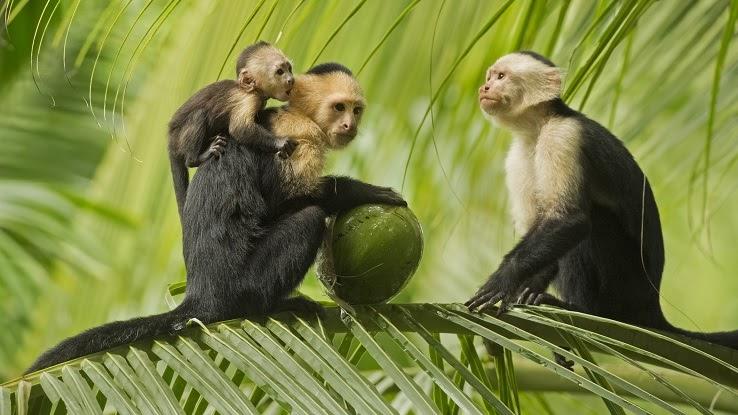
Afterward the buds die, the trees produce flowers, and those flowers bear chocolate fruit. The cocoa pods are not nearly as delicious as the chocolate that humans eat, but they make a sugariness treat for an beast. The sweet fruit attracts animals like the capuchin monkey and other hirsuite creatures. When these animals lean into a blossom to eat the fruit in the eye, their furry faces get covered in pollen. The pocket-size animals become pollinators only like bees.
An within-rainforest example of mutualism happens in the interior of the chocolate tree. Mealybugs eat honeydew and ants eat their feces. Mealybugs are prey for many other bugs and animals. They live within the chocolate tree and the ants live within the tree with them. The tree provides a dwelling for both animals, and the mealybugs provide nutrient for the ants. In turn, the ants protect the mealybugs. While the mealybugs are defenseless, the ants are meliorate equipped with tough exoskeletons and sharp pincers.
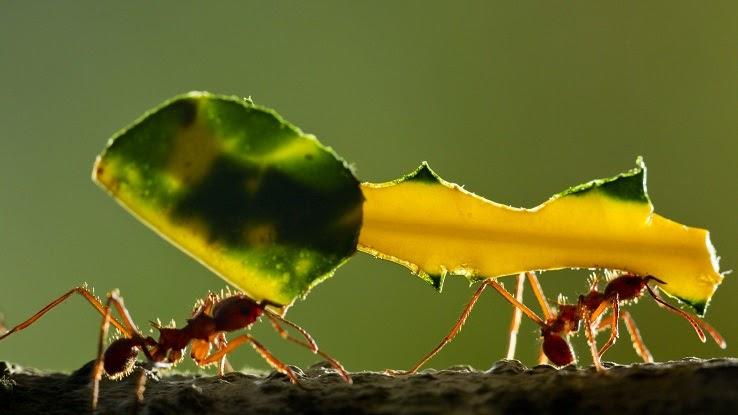
Leafcutter ants thrive in South American rainforests. True to their name, these ants cutting up leaves into tiny pieces and drag the leaves back to storage facilities in the underground portions of their anthills. The ants chew the leaves to brand a lurid and store the lurid for subsequently use. Leafcutter ants put homemade manure on the pulp, and this allows a fungus to grow. Juvenile leafcutter ants consume the fungus to survive — and all of the work the ants do to cutting and process the leaves makes it possible for the mucus to grow.
Capuchin monkeys live in the rainforests of Republic of costa rica and beloved to eat a variety of tropical flowers that grow on copse. When a monkey eats i of these flowers, information technology burrows its face deep into the portion of the bloom that contains pollen. Some of the pollen gets lodged into the monkey's fur, and the monkey pollinates the next bloom by transferring pollen when it eats. The monkey receives a tasty treat, and the plants tin can go along growing considering the flowers are pollinated. These animals and plants in the tropical rainforest grade a symbiotic relationship.
In rainforests in Asia, the Gongora orchid is pollinated by the Asian carpenter bee. In usual relationships, a bee gets nectar from a found and pollinates the plant. In this instance, the Gongora orchid does not produce nectar, merely information technology does produce an overwhelming scent that female carpenter bees happen to like. The male person bees buzz into the flower to cover themselves in the scent with the intention of attracting females, only in the procedure of doing so they pick up pollen and acquit information technology to other plants, effectively pollinating them. Then, the male bees covered in the aroma of the blossom are improve able to attract female bees to mate with.
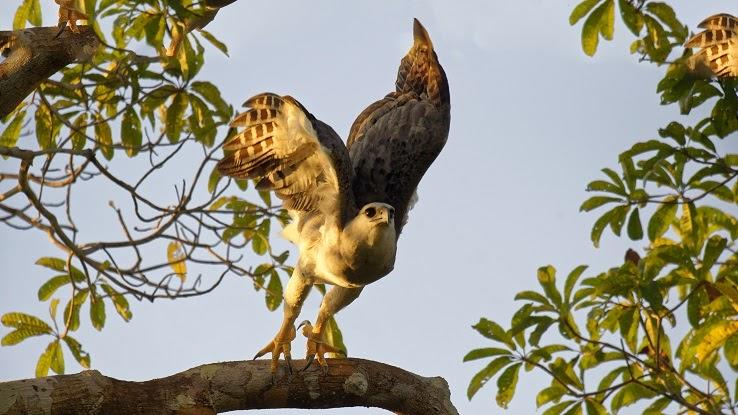
Harpy eagles honey the seed-bearing berries and fruits that abound in the rainforest. When ane of these eagles eats a berry, its digestive organization doesn't completely break down the seeds inside the fruit. And then, when the animate being defecates elsewhere in the rainforest, the seeds from the berry are spread and new plants tin grow.
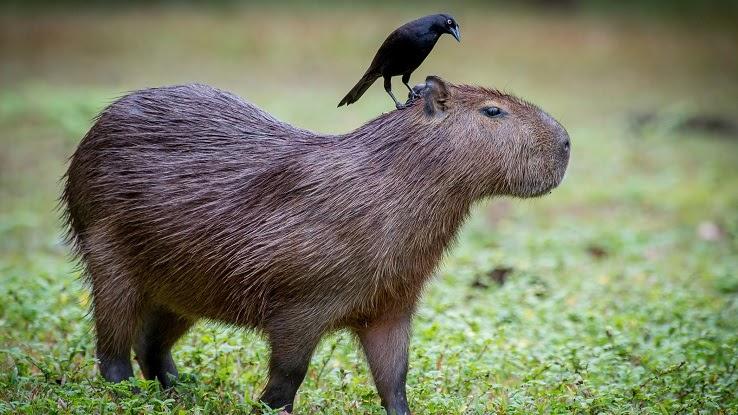
The wattled jacana is a tropical bird native to South American rainforests. These birds are able to catch both a ride and a meal on the backs of large rainforest rodents called capybaras. Wattled jacanas consume bugs, and they find ticks to exist especially tasty. Every bit big, hirsuite rodents, capybaras carry plenty of ticks. Capybaras allow wattled jacanas to sit on their backs unharmed. The birds eat a smorgasbord of ticks, and the capybaras are spared the hurting and possible disease that come up along with tick bites.
Mutualism in the rainforests is a way of life for the thousands of plants and animals that utilize special symbiotic relationships to survive. Tropical rainforests are one type of biome where animals and plants piece of work together often.
Source: https://www.reference.com/science/example-mutualism-rainforest-ebb836e3ffa17777?utm_content=params%3Ao%3D740005%26ad%3DdirN%26qo%3DserpIndex
Posted by: bhaktawitheing.blogspot.com
0 Response to "What Animals Are In The Tropical Rainforest"
Post a Comment